Introduction
how-much-for-lens-implantation-in-korea-30percent-cheaper-than-japan-clinicsImagine waking up every morning with crystal-clear 20/20 vision without the need to reach for your glasses or struggle with irritating contact lenses. For many this sounds like a dream. While laser procedures have been the go-to for decades a more advanced solution is taking over the global market
Lens Implantation. Unlike traditional laser surgery this method provides high-definition vision without the permanent thinning of your cornea.
In particular international patients are increasingly skipping the high-priced clinics of Tokyo and Osaka choosing instead to visit the Gangnam district in Seoul. The reason is simple South Korea offers world-class Lens Implantation technology at a price that is often 30% cheaper than in Japan.
What is Lens Implantation (ICL)?
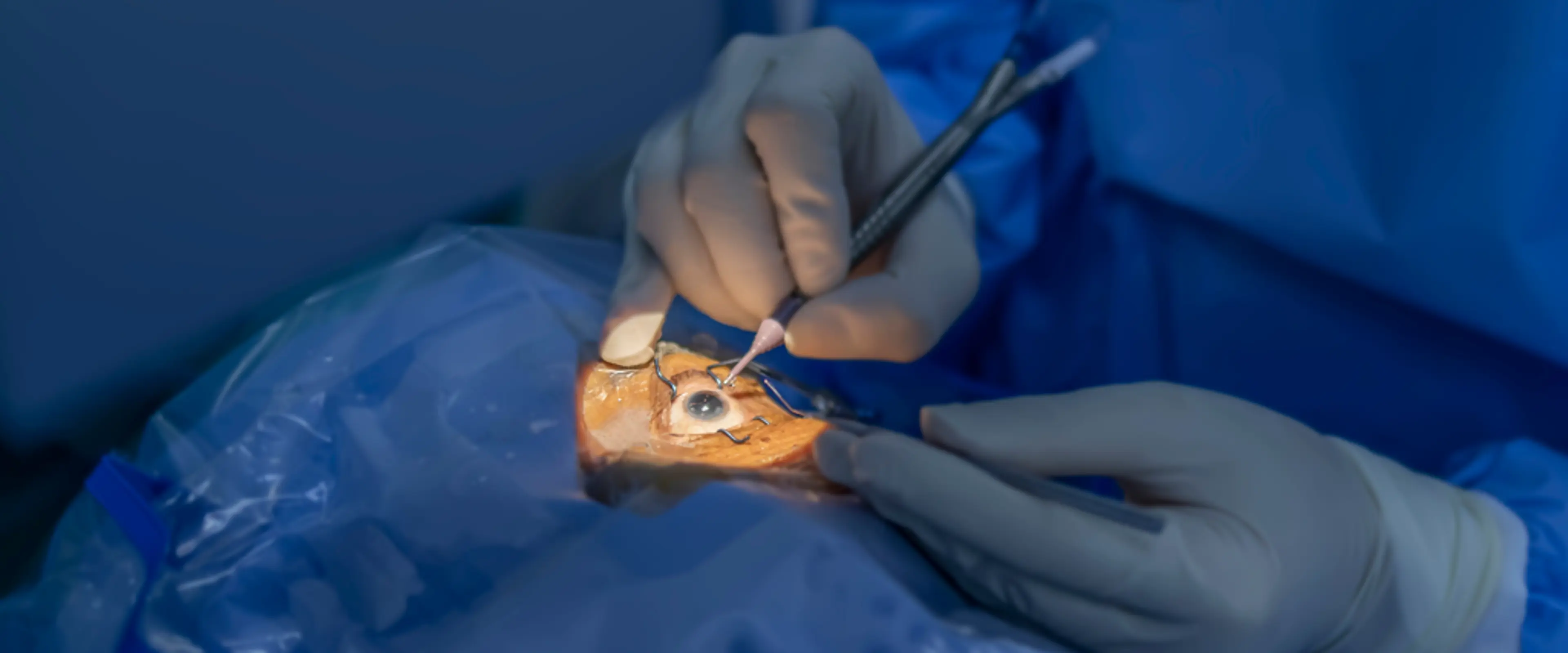
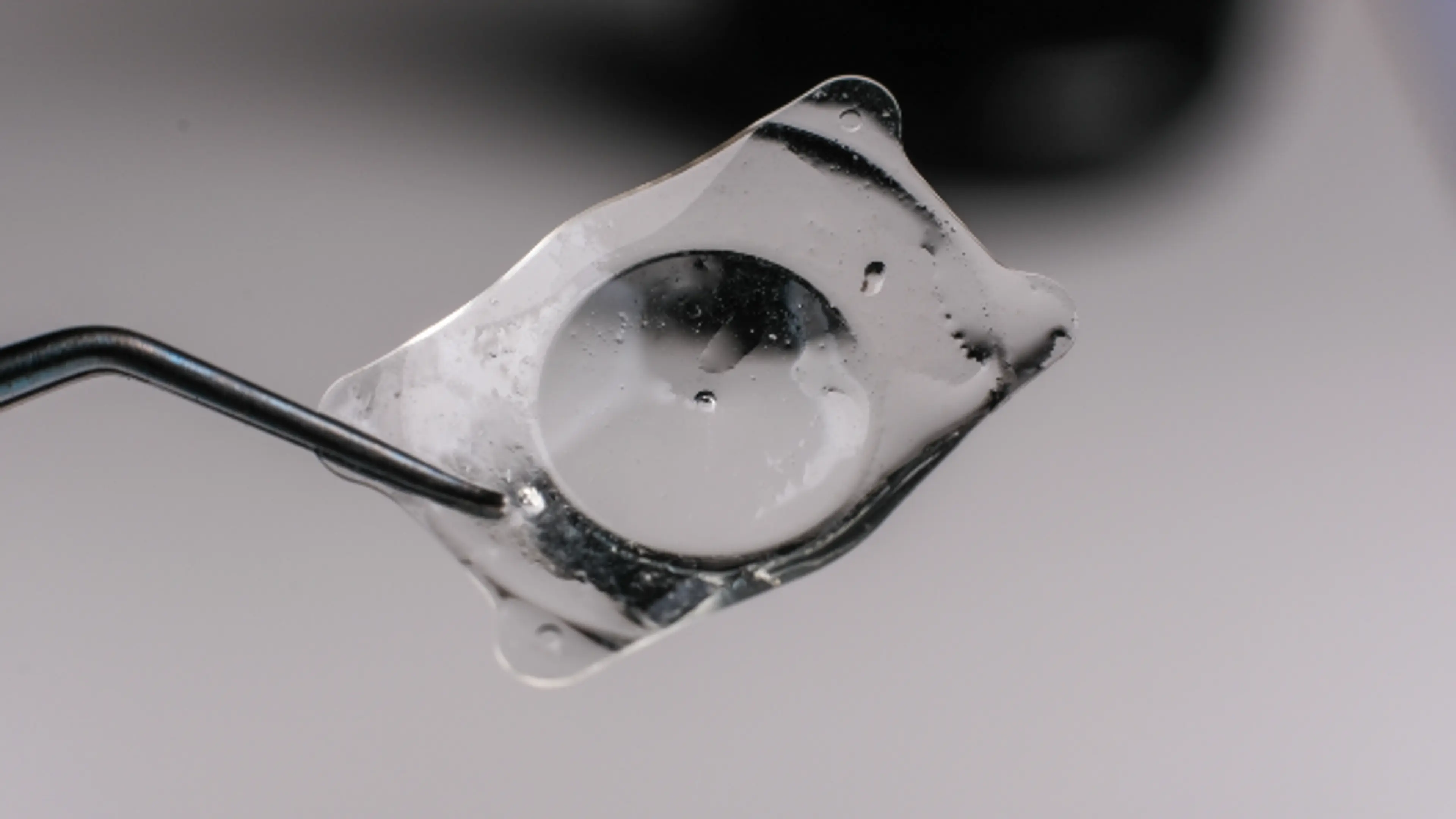
ii.-what-is-lens-implantation-(icl)Commonly known as ICL (Implantable Collamer Lens) Lens Implantation is often described as a permanent contact lens. During the procedure a tiny biocompatible lens is inserted into the eye usually between the iris and the natural lens.
Why Choose ICL over LASIK?
why-choose-icl-over-lasikWhile LASIK and LASEK involve shaving down the cornea with a laser Lens Implantation does not remove any part of your natural eye structure. This makes it the premium choice for several reasons:
High Prescriptions: It can correct extreme myopia (nearsightedness) up to -20.0 D far beyond the limits of LASIK.
Thin Corneas: If your corneas are too thin for laser surgery ICL is the safest alternative.
Reversibility: One of the greatest benefits of Lens Implantation is that it is 100% reversible. If your vision changes in the future, the lens can be removed or replaced.
Dry Eye Prevention: Because no corneal nerves are cut the risk of chronic dry eye is significantly lower than with laser procedures.
The Cost Comparison: South Korea vs. Japan
iii.-the-cost-comparison:-south-korea-vs.-japanWhen it comes to high-end medical procedures, South Korea is widely recognized as the cheapest and best destination for treatment. While Japan offers high medical standards the administrative costs and lower surgical volume make their prices significantly higher.
In Korea, the medical tourism infrastructure is designed for efficiency. Most Korean clinics use an all-inclusive pricing model. This means your initial consultation, 50+ types of eye exams, the surgery itself and follow-up medications are often bundled into one transparent price. In Japan or the West you might find yourself paying extra for every eye drop and diagnostic test.
Average Cost of Lens Implantation (ICL)
average-cost-of-lens-implantation-(icl)Location | Estimated Cost (USD) | What’s Included? |
|---|
South Korea (Seoul) | $3,500 – $4,500 | All-inclusive (Exam + Surgery + Meds) |
Japan (Tokyo/Osaka) | $5,500 – $6,500 | Surgery only (Exams often extra) |
USA / Europe | $8,000 – $10,000 | Surgery only |
Why is Korea 30% Cheaper but More Advanced?
iv.-why-is-korea-30percent-cheaper-but-more-advanced
It is a common misconception that cheaper means lower quality. In the case of South Korean healthcare the lower price is actually a result of advanced industrialization and high volume.
1. Economy of Scale
1.-economy-of-scaleSeoul vision centers perform more Lens Implantation surgeries per year than almost any other city in the world. Because Korean clinics purchase lenses in such high volumes from manufacturers like STAAR Surgical they receive significant discounts which are then passed on to the patient.
2. Hyper-Competition in Gangnam
2.-hyper-competition-in-gangnamIn the Gangnam district alone there are over 50 eye clinics within a small radius. This intense competition forces clinics to constantly upgrade to the latest technology such as AI-driven sizing and SMILE Pro equipment while keeping prices competitive to attract patients.
3. Government Support
3.-government-supportThe South Korean government actively promotes medical tourism. This includes streamlining visa processes for patients and ensuring that clinics maintain strict safety standards to protect the country's reputation as a global medical hub.
The One-Day Vision System: How it Works for Travelers
v.-the-one-day-vision-system:-how-it-works-for-travelersKorean clinics have mastered the art of Speed and Precision. For international travelers the One-Day System is a game-changer. You don't need to spend weeks in the country; the entire process is streamlined into a single day.
Morning (Diagnostics): You undergo a comprehensive 50-step diagnostic check. This includes DNA testing for rare conditions (like Avellino dystrophy), corneal mapping and retinal scans.
Afternoon (Procedure): The Lens Implantation surgery takes only about 10–15 minutes per eye.
Evening (Rest): You head back to your hotel with specialized sunglasses and protective eye shields.
Next Day (Follow-up): A final check-up ensures the lens is positioned perfectly. Most patients reach 1.0 (20/20) vision by this first-day appointment.
Recovery and Safety: What to Expect
vi.-recovery-and-safety:-what-to-expectThe recovery for Lens Implantation is surprisingly fast. Because there are no large incisions or flaps created on the eye the healing process starts almost immediately.
Immediate Results: Most patients see a dramatic improvement in vision as soon as they sit up from the operating table.
The 48-Hour Rule: While you should avoid heavy lifting or swimming most patients are back to sightseeing or working on a laptop within 48 hours.
Surgeon Expertise: Experience matters. A typical top-tier surgeon in Seoul has performed over 10,000 vision correction procedures. This high level of muscle memory reduces the risk of complications like intraocular pressure spikes or cataracts.
Choosing Your Clinic in Gangnam
vii.-choosing-your-clinic-in-gangnam
If you are traveling from abroad, picking the right clinic is essential for a smooth experience. Here is what to look for:
Global Reference Center: Choose clinics that are certified as Global Reference Centers by lens manufacturers like Zeiss or Alcon. This ensures they use the most current lens models and surgical software.
Multilingual Staff: Ensure the clinic has a dedicated International Team. You should have a coordinator who speaks your language fluently to explain the technical details and assist with your VAT refund paperwork.
Post-Op Care: Ask if the clinic provides digital records of your surgery. This is vital so that your local eye doctor back home can monitor your long-term health.
Freuqently Asked Questions
viii.-patient-friendly-faq1.Is The Procedure Painful?
is-the-procedure-painfulNo. Before the surgery, you are given powerful numbing eye drops. You won't feel any cutting or sharp pain. Most patients report feeling a slight sensation of pressure for about 10 minutes, but it is very manageable.
2.Can The Lens Be Removed?
can-the-lens-be-removedYes! One of the biggest advantages of Lens Implantation is that it is a reversible procedure. Unlike LASIK, which permanently changes the shape of your eye the ICL lens can be removed at any time if you develop other eye conditions or if your prescription changes significantly later in life.
3.How Long Do I Need To Stay In Korea?
how-long-do-i-need-to-stay-in-koreaA 3-to-5-day trip is usually sufficient.
Day 1: Arrival and rest.
Day 2: Exams and surgery.
Day 3: Follow-up check and sightseeing.
Day 4: Final check and departure.
4.Is Korea Really The Cheapest For The Best Quality?
is-korea-really-the-cheapest-for-the-best-qualityAbsolutely. Due to the high volume of procedures and the specialized medical infrastructure in districts like Gangnam you receive the world's latest technology and the most experienced surgeons at a price point that is 30% to 50% lower than in Japan or the United States.
5.Does ICL Cause Dry Eyes?
does-icl-cause-dry-eyesUnlike laser eye surgery Lens Implantation does not damage the nerves on the surface of the eye that trigger tear production. Therefore it is the preferred choice for patients who already suffer from dry eye syndrome.
Conclusion
ix.-conclusion:-the-smart-choice-for-your-visionChoosing where to have your Lens Implantation is a decision that impacts your quality of life for decades. While Japan offers high-standard medical care, the efficiency and specialization of South Korea’s medical infrastructure provide a clear advantage. By traveling to Seoul you aren't just saving 30% or more on the procedure you are accessing the world’s most experienced surgeons who perform these operations at an unmatched scale.