Introduction
1.-introduction:-the-vision-hub-of-asiaIf you have lived with high myopia (severe nearsightedness) or thin corneas you have likely heard that
Lens Implantation is the ultimate solution for permanent vision correction. While LASIK and LASEK are popular they aren't for everyone. For those seeking the highest quality of vision the conversation inevitably turns toward South Korea.
Often called the Vision Hub of Asia South Korea has become the global destination for specialized eye care. Patients from mainland China, the USA and Europe are increasingly skipping their local clinics to fly to Seoul. Why? Because South Korea is the cheapest and best destination for Lens Implantation.
The Vision Hub of Asia
the-vision-hub-of-asiaThe Seoul Advantage is not just a marketing slogan it is a reality driven by the sheer density of medical expertise in the Gangnam district. In this small area hundreds of clinics compete to offer the most advanced vision correction technology.
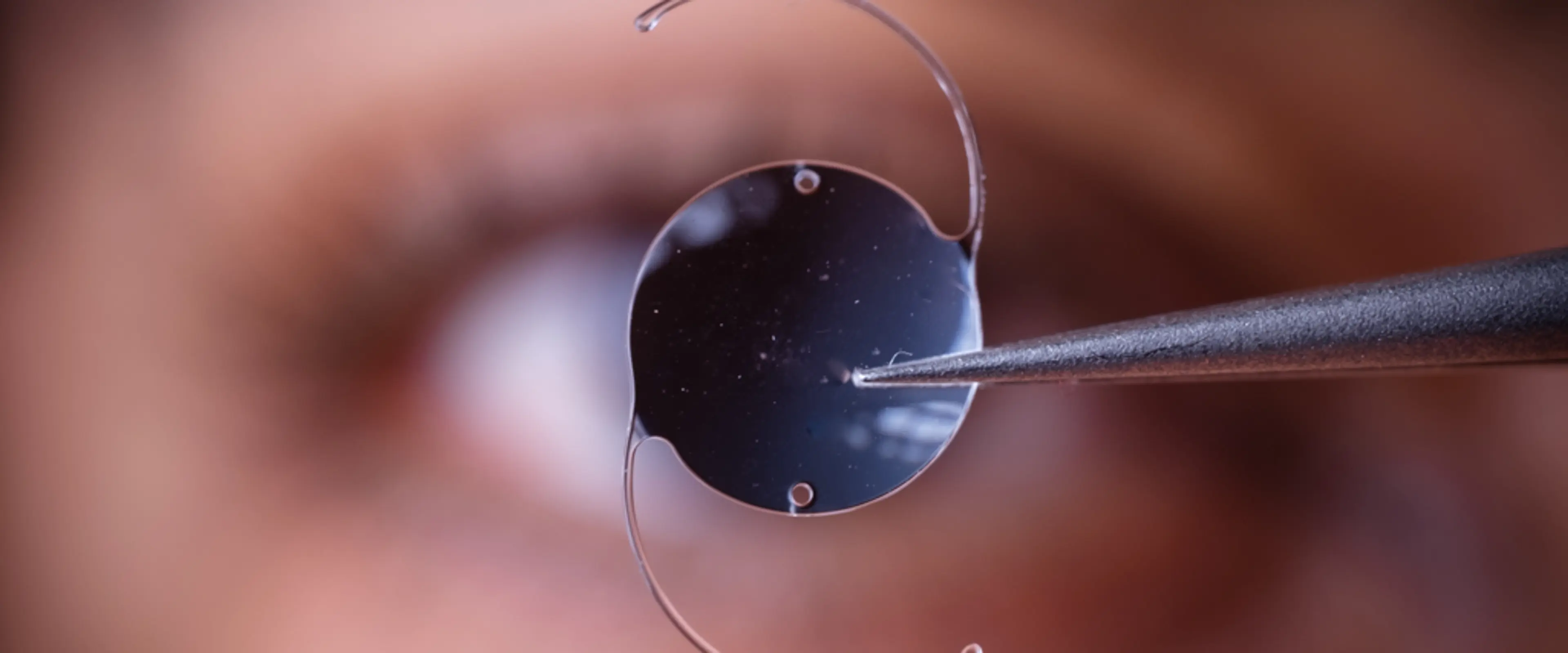
Lens Implantation, specifically the ICL (Implantable Collamer Lens) procedure is considered the Gold Standard for patients with high prescriptions. Unlike LASIK which reshapes your cornea by removing tissue ICL involves placing a biocompatible lens behind your iris. It works like a permanent contact lens that you never have to clean or remove.
For many patients in China accessing this level of care at home often means paying a massive prestige premium at international hospitals. South Korea provides a refreshing alternative elite high-tech care that is actually more affordable than the local private options in Tier-1 Chinese cities.
Direct Comparison: Lens Implantation Cost in Korea vs. China
2.-direct-comparison:-lens-implantation-cost-in-korea-vs.-chinaWhen patients ask about the price of Lens Implantation they are often surprised to find that traveling abroad actually saves them money. South Korea is the cheapest and best option because of its massive patient volume and hyper-competitive market. In Seoul clinics perform thousands of these procedures monthly allowing them to lower costs without sacrificing quality.
In China, private Tier-1 hospitals often have hidden fees. You might see a base price but then find yourself paying extra for VIP Surgeon consultations specialized eye mapping or mandatory post-op kits. In contrast Korean clinics typically offer transparent all-inclusive packages. Furthermore international patients can benefit from a 10% Tax Refund (VAT) at the airport making the final price even more attractive.
Cost Comparison Table
cost-comparison-tableProcedure Type | South Korea (Seoul) | China (Private Tier-1) | International Avg (US/EU) |
|---|
Standard EVO ICL | $3,500 – $4,200 | $4,800 – $5,600 | $7,000 – $9,000 |
Toric ICL (Astigmatism) | $4,100 – $4,900 | $5,500 – $6,500 | $8,500 – $11,000 |
Pre-Op Exams | Included (Free) | $150 – $300 | $300 – $600 |
10% VAT Refund | Yes (Available) | No | No |
Why Korean Prices Beat Local China Fees
3.-why-korean-prices-beat-local-china-fees
You might wonder how a country with such a high standard of living can offer Lens Implantation at a lower rate than private clinics in China. There are three primary reasons:
Direct Access to Technology
direct-access-to-technologySouth Korea often receives the latest medical technology from Swiss and German manufacturers (like STAAR Surgical) much faster than other Asian markets. Because Korea is a primary global market for these companies clinics can negotiate better pricing on the lenses themselves. In China high import duties and regulatory delays often drive up the price of the exact same lens.
The Gangnam Density Effect
the-"gangnam-density"-effectImagine a single street with ten world-class eye clinics. To survive these clinics must offer the best service the latest tech and the most competitive pricing. This density forces price transparency. In many Chinese cities there may only be one or two premium private hospitals allowing them to maintain high prices due to a lack of local competition.
Specialized Efficiency
specialized-efficiencySurgeons in Seoul are highly specialized. A doctor in a top Seoul clinic might perform as many Lens Implantation procedures in a week as some Western doctors do in a year. This high volume leads to lower per-patient overhead costs, a benefit that is passed directly to the patient.
Technical Superiority: What You Get for the Price
4.-technical-superiority:-what-you-get-for-the-priceChoosing the cheapest and best location doesn't mean compromising on safety. In fact, South Korea’s diagnostic standards are often much higher than those found in local Chinese clinics.
The 50-Step Diagnostic: Before you even touch a surgical chair Korean clinics perform an exhaustive battery of tests. This includes corneal tomography and crucially DNA testing for Avellino dystrophy a rare condition that could lead to blindness if certain eye surgeries are performed. Many clinics elsewhere skip this vital safety step.
The Latest EVO+ Lenses: Korean clinics exclusively use the latest generation of
Lens Implantation technology. The EVO+ Visian ICL features a larger optic zone which significantly reduces the risk of seeing halos or glare at night a common complaint with older lens models
Massive Experience: It is common to find clinics in Seoul that have surpassed 40,000 successful vision correction cases. This level of repetition ensures that the surgical team can handle even the most complex eye shapes with precision.
The One-Day Patient Journey
5.-the-"one-day"-patient-journeyOne of the biggest draws for international patients is the efficiency of the Korean medical system. You don't need to spend weeks in the country to get Lens Implantation.
Morning (Diagnostics): You arrive for a 2-to-3-hour comprehensive exam. The doctors use AI-driven technology to map your eye and select the perfect lens size.
Afternoon (Surgery): The actual Lens Implantation procedure takes only 15 to 20 minutes. You are awake, but your eyes are completely numbed with drops.
Next Day (Recovery): You return for a quick check-up. Most patients wake up with 1.0 (20/20) vision or better the very next morning.
Travel Perk: Since the recovery is so fast, you can spend the next 3 days enjoying the shopping in Myeongdong or the cafes in Seongsu-dong before your final flight-clearance check.
Candidacy & Risks (The Medical Professional's View)
6.-candidacy-and-risks-(the-medical-professional's-view)
While Lens Implantation is a miracle for many, it is a medical procedure that requires careful screening.
Who is a good candidate?
who-is-a-good-candidatePatients with high myopia (nearsightedness) who were told they aren't candidates for LASIK.
Individuals with thin or irregular corneas.
Those who suffer from chronic dry eye (ICL does not worsen dry eye like laser surgery can).
Who should wait?
who-should-waitUnstable Prescription: Your vision should be stable for at least one year.
Pregnancy: Hormonal changes can temporarily affect your vision
Health Conditions: Uncontrolled glaucoma or certain inflammatory eye diseases may disqualify you.
Potential Risks
potential-risksEvery surgery has risks but for Lens Implantation they are minimal when performed by an expert. Some patients may experience temporary halos around lights at night or a temporary rise in eye pressure. However, because Korean surgeons are experts at sizing the lens (ensuring it fits perfectly in the space behind your iris) these complications are extremely rare.
Frequently Asked Questions
8.-faq:-clear-patient-friendly-answers1.Is It Safe To Fly Right After Lens Implantation?
1.is-it-safe-to-fly-right-after-lens-implantationYes, most patients are cleared to fly 48 hours after their final check-up. The lens is placed inside the eye and is not affected by cabin pressure.
2.Will I Feel Pain During The Procedure?
2.will-i-feel-pain-during-the-procedureNot at all. Strong numbing drops are used so you won't feel any cutting or stinging. Most patients only report a slight pressure sensation that lasts for a few seconds.
3.How Long Does The ICL Lens Last?
3.how-long-does-the-icl-lens-lastIt is designed to stay in your eye permanently and does not wear out. However if your vision changes significantly as you age (such as developing cataracts in your 60s), the lens can be easily removed or replaced.
4.Why Is Korea So Much Cheaper Than My Local Private Hospital?
4.why-is-korea-so-much-cheaper-than-my-local-private-hospitalIt comes down to volume and competition. Because Seoul has the world's highest density of vision correction clinics, they can offer the best technology at lower prices due to high patient turnover and efficient supply chains.
5.Can I Get The 10% VAT Refund?
5.can-i-get-the-10percent-vat-refundYes! As long as you are a medical tourist you are eligible for a 10% tax refund on your surgery. The clinic will provide you with a document that you can scan at Incheon Airport to receive your cash back before you depart.
Conclusion
7.-conclusion:-making-the-move-to-koreaThe bottom line is simple when you calculate the cost of a flight, a stay in a 4-star Seoul hotel and the surgery itself the total Medical Tourism package is still more affordable than a single surgery in a premium private Chinese hospital.